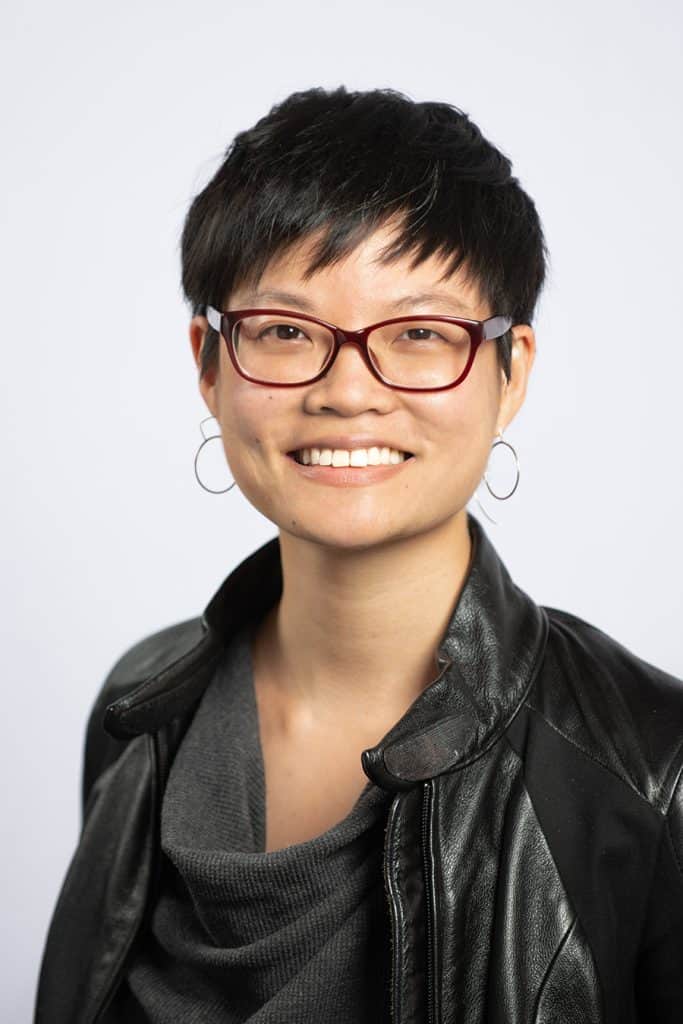
Sophia Xiao-fan Austrins
I bring together architectural expertise, lived disability experience, and community-centered practice to help navigate accessibility with greater confidence, care, and clarity.
Credentials:
Registered Architect, OR
ICC Accessibility Inspector/Plans Examiner (AIPE)
LEED Accredited Professional
WELL Accredited Professional
Top 50 Women Leaders of Oregon, 2024
MBE/WBE/ESB #16241
M. Arch, Harvard University
B.S. Arch, University of Michigan
I see buildings differently now.
Mid-career, I developed a chronic illness that changed how I experienced the built environment. I began noticing the effort that can hide inside ordinary acts of moving, sensing, communicating, and participating.
It revealed gaps between what I thought I understood about accessibility and what accessibility can actually mean in daily life. It also gave me a deeper appreciation for something I had believed throughout my architectural career:
The built environment doesn’t simply contain our lives. It actively shapes what becomes possible within them.
20+ Years of Practice & Training:
Housing
Healthcare
Schools
Higher Education
Libraries
Community Centers
Performing Arts
Restaurants
Cultural Spaces
Exhibits
Today, I bring together more than two decades of architectural training & practice, lived disability experience, and community-centered design to uncover friction and transform it into opportunities for greater ease, participation, and belonging.
A Practice Shaped by People
Architecture keeps me curious about what makes a project work well—for the people designing it, building it, and ultimately living their lives within it.
My experience navigating budgets, schedules, coordination, and many different experiences of place allows me to bring—
Accessibility into design as an opportunity that can expand what a project can hold.
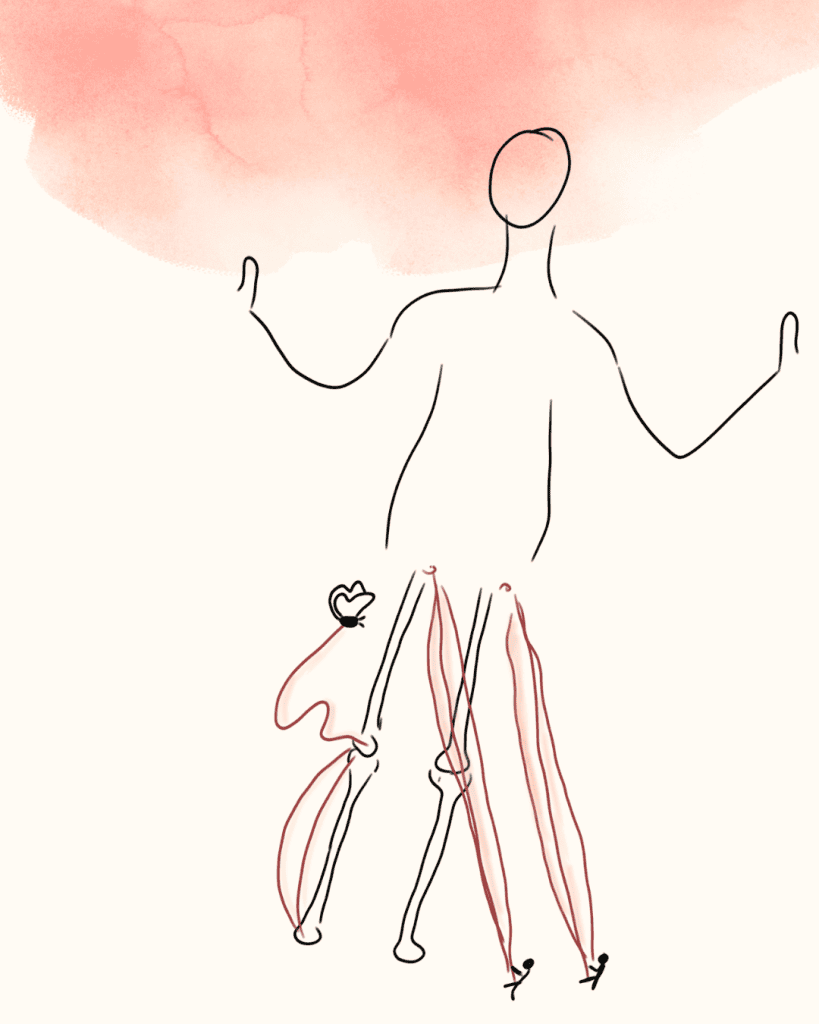
Long before disability changed how I experienced buildings, community-centered practice was already changing how I looked at them.
Through years of leading community-centered design with an architecture nonprofit, I built my capacity for collaborating with communities to shape our own environments and futures.
Working with disability advocates transforms how we gather, facilitate engagement, and create opportunities for multi-sensory participation. I relish the delight I’ve witnessed when we are free to create together.
How I Practice
When we embrace disability as a source of knowledge rather than a problem to solve, new design possibilities emerge. We create places that support a broader range of sensory, cognitive, emotional, social, and cultural experiences.
Design for Ease
The places people remember most are not those that merely meet requirements. They are the places that feel intuitive, welcoming, and supportive.
I work from a social model of disability, recognizing that many barriers arise not from individual bodies or minds but from environments, systems, and assumptions that fail to accommodate human variation.
I help explore frameworks that center usability, dignity, participation, and lived experience. This work may draw from Inclusive Design, Disability Justice, DeafSpace, sensory-inclusive design, neuroaesthetics, Universal Design, and other emerging perspectives.
Design for Wellness
Living with chronic illness has given me firsthand experience of something research increasingly confirms: our surroundings shape how our bodies function each day. For many disabled people, these are not separate from accessibility—they are accessibility.
I bring a holistic perspective to creating environments that support health and invite participation.
I see accessibility and wellness as complementary ways of creating environments that reduce unnecessary demands and expand people’s capacity to participate and thrive.
Technical Underpinning
My personal investment in accessibility means that I nerd out on regulatory guidelines and am constantly building my knowledge of emerging practices. In our work together, you’ll have expertise on hand to navigate current federal, state, and local accessibility requirements.
Federal, state, and local accessibility guidelines:
- ICC ANSI A117.1
- International Building Code (IBC)
- Americans With Disabilities Act (ADA)
- Architectural Barriers Act (ABA)
- Fair Housing Act (FHA) & FHA Safe Harbors
- State and Local Codes
- Uniform Federal Accessibility Standards (UFAS)